
How Can Pegylated MGF Lithuania Reduce Cortisol? Cortisol, often called the “stress hormone,” plays a crucial role in metabolism, immune

Yes, research shows that DSIP Peptide influences stress regulation through sleep-associated neural pathways. DSIP interacts with neural systems involved in sleep and stress signaling, which helps the brain maintain stability during stressful conditions. Instead of directly reducing anxiety, DSIP supports processes that regulate how stress signals move through the nervous system.
Stress and anxiety often increase when sleep regulation weakens, which explains why researchers study DSIP for its role in sleep-related brain activity. Stable sleep patterns support stress regulation, and DSIP appears to align with this process. These findings explain why DSIP remains relevant in research focused on stress and anxiety pathways linked to sleep and neural regulation.
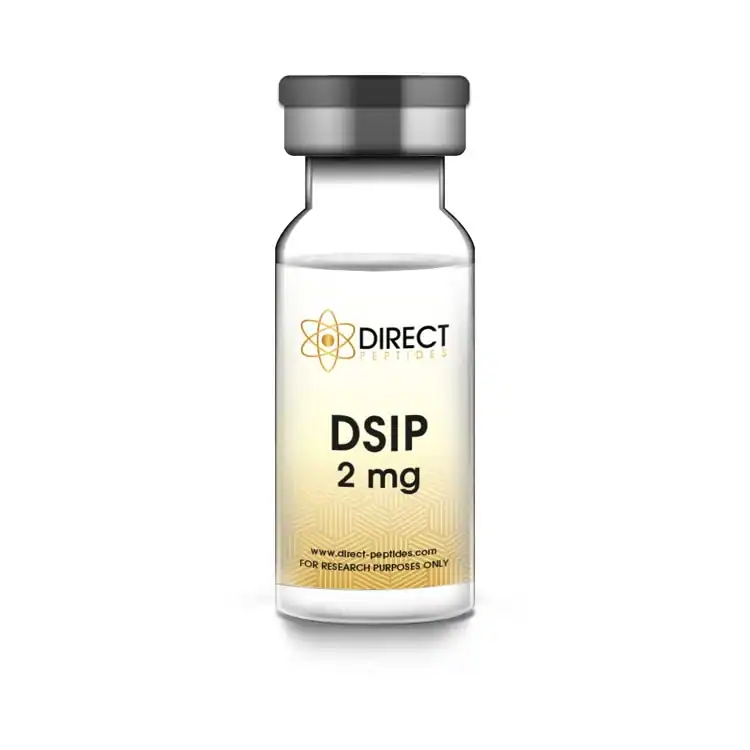
Explore DSIP Peptide from Direct Peptides Lithuania, a sleep-associated neuropeptide studied for its role in stress signaling and sleep-linked neural regulation.

Sleep regulation controls stress by determining how long stress-related neural signaling remains active. During consistent sleep cycles, the brain downregulates stress activity and restores emotional regulation. When sleep becomes fragmented or shallow, stress signaling persists and increases anxiety sensitivity.
The brain relies on sleep to complete stress recovery. When recovery remains incomplete, stress accumulates internally even without external pressure. Researchers study sleep peptides, including DSIP Peptide, to understand how the brain transitions from stress activation to recovery instead of remaining in a prolonged stress state.
Explore Peptide Supplies at Direct Peptides Lithuania for all your reconstitution requirements.
Sleep-dependent stress regulation fails when neural stress activity remains elevated beyond normal recovery periods. Chronic anxiety, sustained cognitive demand, and prolonged neurochemical signaling can persist even when sleep quality appears stable. In these situations, sleep alone does not normalize stress pathways that operate outside sleep-driven control.
Some stress mechanisms function independently of sleep, which leads researchers to examine additional regulatory systems. Selank aligns with anxiety-related stress pathways, while Semax relates to stress linked with cognitive and neurological load. Studied alongside DSIP Peptide, these peptides help researchers evaluate stress regulation as a multi-system process rather than a purely sleep-dependent one.
Selank influences anxiety-related stress by modulating neural pathways involved in emotional signaling during waking states. Research shows that Selank affects inhibitory pathways linked to anxiety, particularly those associated with GABA activity. This modulation helps reduce excessive neural activation that contributes to anxiety-driven stress.
Selank also influences gene activity tied to mood and stress signaling. These effects occur independently of sleep mechanisms, which separates Selank from sleep-related peptides. Researchers study Selank to understand how anxiety-driven stress persists during mental activity and how the brain maintains balance when emotional stress remains active.
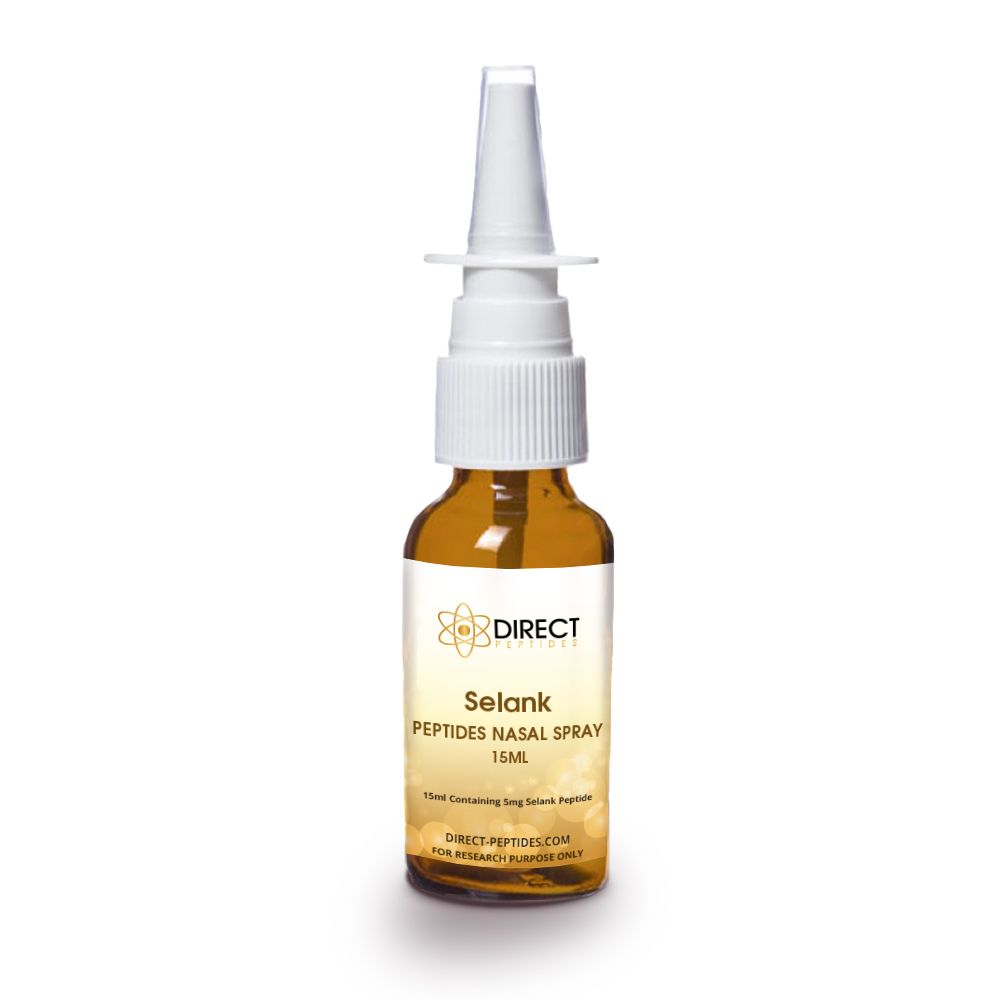
Explore Selank from Direct Peptides Lithuania, a synthetic peptide studied for its involvement in anxiety-related neural pathways and emotional stress signaling.
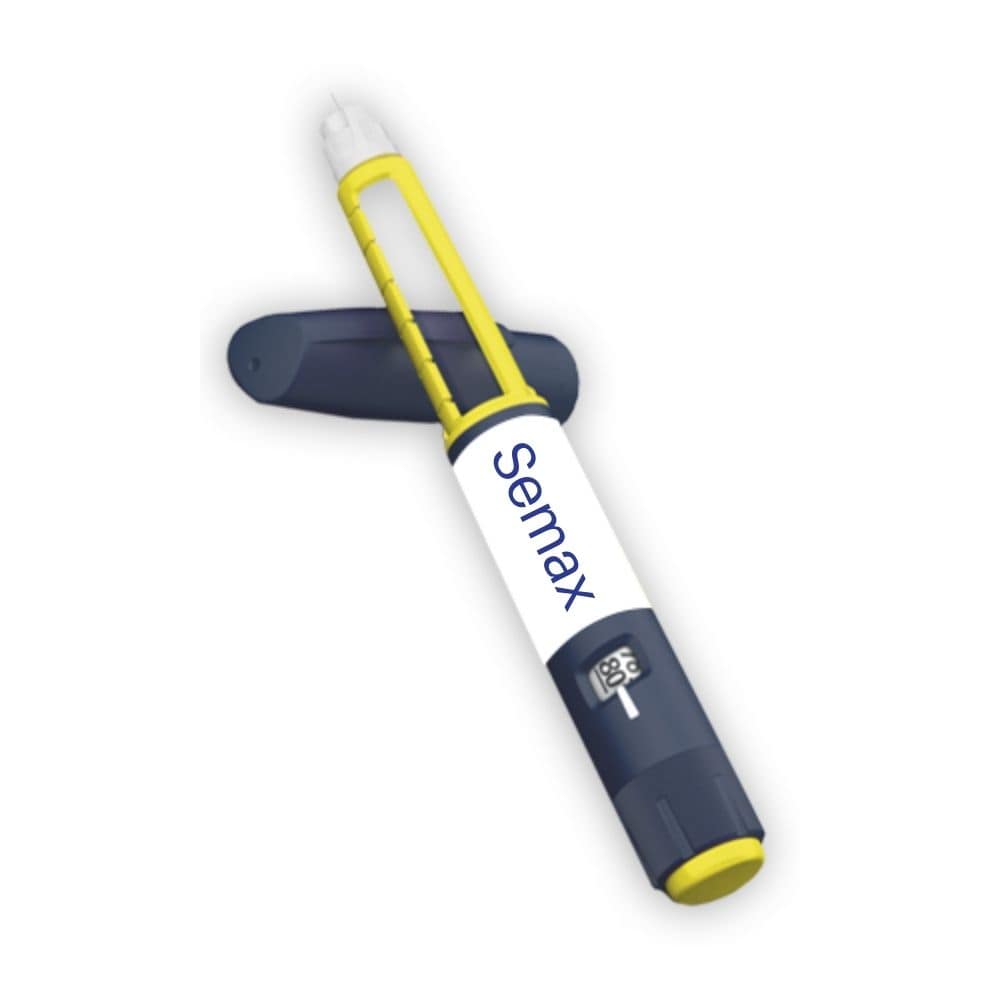
Semax supports cognitive stress regulation by influencing neural systems responsible for focus, learning, and sustained mental effort. Research shows that Semax affects signaling linked to attention and memory, which helps maintain performance under high cognitive demand.
Cognitive stress often increases anxiety by overstimulating brain networks responsible for alertness and executive control. Semax supports neural stability during mental strain and helps researchers examine how cognitive stress and anxiety interact during demanding tasks. Scientists study Semax to isolate stress responses tied to cognitive load rather than sleep-dependent or emotion-driven pathways.
Shop Semax from Direct Peptides Lithuania, a research peptide associated with mental load, learning pathways, and cognitive stress regulation.
DSIP, Selank and Semax align with distinct stress-regulation pathways. DSIP Peptide relates primarily to sleep-dependent stress regulation. Selank aligns with anxiety-driven stress active during waking states. Semax relates to stress caused by sustained cognitive load and neurological demand.
Stress and anxiety arise from multiple biological systems rather than a single source. Sleep disruption, emotional signaling, and cognitive strain affect the brain through different regulatory mechanisms. Studying these peptides together allows researchers to analyze stress regulation across sleep, emotion, and cognition instead of treating stress as a uniform process.
| Peptide | Primary Stress Pathway Studied | Key Research Focus |
|---|---|---|
| DSIP Peptide | Sleep-dependent stress regulation | How sleep-related brain activity supports stress recovery and stress signal shutdown |
| Selank | Anxiety-related emotional stress | How anxiety signaling influences stress during waking and emotional states |
| Semax | Cognitive and mental stress | How mental load and cognitive demand affect stress responses and brain performance |
Taken together, these findings help shape expectations for where future research may lead.
The future of DSIP Peptide research centers on clarifying its role in sleep-linked stress regulation within broader neural systems. Ongoing studies aim to define how DSIP influences stress recovery and signal shutdown during rest, which remains a core focus in stress and anxiety research.
Researchers increasingly examine DSIP alongside Selank and Semax to separate sleep-driven, anxiety-driven, and cognitive stress mechanisms. This combined research approach supports clearer models of stress regulation and strengthens understanding of how the brain manages stress and anxiety through multiple biological pathways.
[1] Khvatova EM, Rubanova NA, Prudchenko IA, Mikhaleva II. Effects of delta-sleep inducing peptide (DSIP) and some analogues on the activity of monoamine oxidase type A in rat brain under hypoxia stress. FEBS Lett. 1995 Jul 17;368(2):367-9.
[2] Sudakov KV, Umriukhin PE, Koplik EV, Anokhin KV. Delta-sleep inducing peptide (DSIP) and ACTH (4-10) analogue influence fos-induction in the limbic structures of the rat brain under emotional stress. Stress. 2001 Jun;4(2):143-53.
[3] Kasian A, Kolomin T, Andreeva L, Bondarenko E, et al. Peptide Selank Enhances the Effect of Diazepam in Reducing Anxiety in Unpredictable Chronic Mild Stress Conditions in Rats. Behav Neurol. 2017;2017:5091027.
[4] Inozemtseva LS, Yatsenko KA, Glazova NY, Kamensky AA, Myasoedov NF, et al. Antidepressant-like and antistress effects of the ACTH(4-10) synthetic analogs Semax and Melanotan II on male rats in a model of chronic unpredictable stress. Eur J Pharmacol. 2024 Dec 5;984:177068.

Selank Semax Nasal Stack
Price range: £68.87 through £126.95 Select options This product has multiple variants. The options may be chosen on the product page
BULK BUY
DSIP Peptide Vial
Price range: £20.99 through £178.47 Select options This product has multiple variants. The options may be chosen on the product page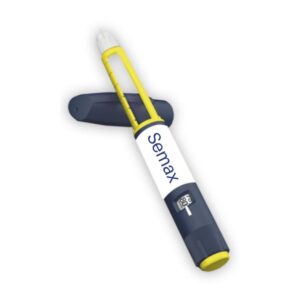
Semax Pre-Mixed Pen 2mg Peptide
Price range: £25.19 through £68.01 Select options This product has multiple variants. The options may be chosen on the product page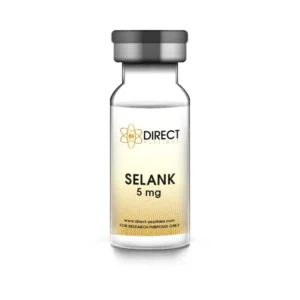
Selank Peptide Vial
Price range: £16.79 through £25.77 Select options This product has multiple variants. The options may be chosen on the product pageHow Can Pegylated MGF Lithuania Reduce Cortisol? Cortisol, often called the “stress hormone,” plays a crucial role in metabolism, immune

MGF vs PEG-MGF: Which is Better for Muscle Growth Lithuania? When exploring muscle growth in research, MGF vs PEG-MGF often

Can Adamax Nootropic Help With Brain Fog and Mental Fatigue Lithuania? There are days when focus seems out of reach,

What Are the Benefits of Peptide P21 Lithuania in Cell Cycle Regulation? Peptide P21 is a key regulator of the